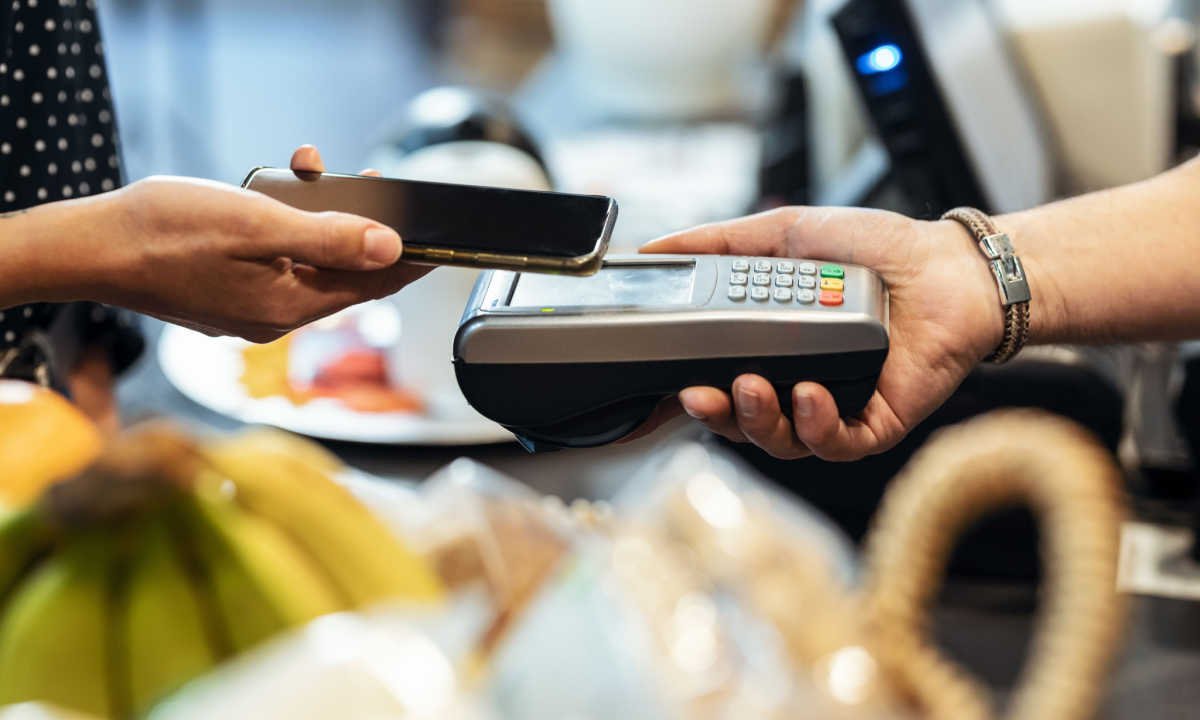
Navigating the checkout aisle at the grocery store used to mean fumbling for cash or swiping a card. Today, a quick tap of your phone or watch is often all it takes. Digital payments have transformed how we shop, offering a seamless experience for many, but they also introduce a new set of considerations. Understanding the benefits and drawbacks of using digital payments at grocery stores is key to making informed choices about how you handle your hard-earned money.
As a consumer, you’re likely already familiar with the convenience. From Apple Pay to Google Pay, or even scanning a QR code, these methods promise speed and simplicity. But are they always the best option? Let's dive into what these modern payment methods bring to your grocery run.
At a Glance: Digital Payments at the Grocery Store
- Pros: Faster checkouts, enhanced security features, easy spending tracking, and often greater convenience.
- Cons: Reliance on technology, potential for fees or spending limits, security risks like hacking, and occasional acceptance issues.
- Key takeaway: Digital payments are largely beneficial but require awareness of their limitations and how to protect yourself.
Unpacking Digital Payments: More Than Just Tapping Your Phone
Before we weigh the pros and cons, let's quickly clarify what we mean by "digital payments" in the context of your weekly grocery shop. At its core, a digital payment is an electronic transaction that eliminates the need for physical cash or traditional plastic cards. This isn't just a niche trend; digital payments are projected to exceed $14.7 trillion by 2027, making them an undeniable force in the economy.
When you pay digitally at the grocery store, you’re most likely using one of these forms:
- Mobile Payments: This is your smartphone or tablet acting as your wallet. Apps like Apple Pay, Google Pay, or Samsung Pay store your card details securely, allowing you to pay with a tap or sometimes a scan.
- Contactless Payments: Often tied into mobile payments, but also applicable to physical cards with the contactless symbol. You simply tap your device or card near a compatible point-of-sale (POS) terminal, and the transaction is initiated.
- Digital Wallets: These are broader platforms where you can store multiple payment methods, loyalty cards, and even tickets. Mobile payment apps are a type of digital wallet.
- QR Codes: Less common in major grocery chains in the US but prevalent elsewhere, these involve scanning a unique code with your phone's camera to complete a transaction through a linked app.
The underlying process for most of these involves quick steps of initiation, authentication, authorization, and processing – all happening in seconds to keep lines moving.
The Upside: Why Shoppers Love Digital Payments at the Grocery Store
There’s a reason these payment methods have skyrocketed in popularity. For many, they genuinely improve the grocery shopping experience.
Lightning-Fast Checkout & Unmatched Convenience
Imagine you're rushing after work, trying to get groceries before dinner. Every second counts. Digital payments shine here. With a quick tap of your phone or watch, your transaction is done. No more fumbling for your wallet, counting out cash, or waiting for a chip card to process. This speed significantly reduces waiting times, making your entire shopping trip more efficient. It’s frictionless, real-time, and often available 24/7 if you’re using self-checkout.
Fortified Security for Your Finances
This might sound counterintuitive to some, given the digital nature, but digital payments often offer enhanced security compared to traditional methods. When you use mobile payment services like Apple Pay, your actual card number isn’t transmitted to the merchant. Instead, a unique, encrypted "token" is used for each transaction. This process, known as tokenization, means even if a data breach occurred at the store, your sensitive card details wouldn't be exposed.
Add to this layers like biometric authentication (fingerprint or facial recognition) or multi-factor verification (a code sent to your phone), and you have robust protection for your financial data. These features significantly reduce the risk of fraud compared to a physical card swipe, where your card number is directly exposed. Learning [tips for securing your digital wallet](placeholder_link slug="digital-wallet-security-tips" text="tips for securing your digital wallet") can further bolster your protection.
Effortless Spending Tracking and Budgeting
Ever wonder where all your grocery money goes? Digital payments provide a clear, electronic record of every transaction. Most banking apps or digital wallet platforms allow you to see your spending in real-time. This digital paper trail is invaluable for [budgeting with digital payments](placeholder_link slug="budgeting-with-digital-payments" text="budgeting with digital payments"), helping you stay on top of your finances without manually logging every purchase. You can quickly review past grocery runs, track your budget against actual spending, and identify trends, making financial management much simpler.
Reduced Physical Contact & Hygiene
In a post-pandemic world, many appreciate minimizing contact points. Digital payments mean you don’t need to hand over a card or exchange cash, reducing germ transmission. While a small benefit, it contributes to a feeling of greater hygiene and safety, particularly in high-traffic environments like grocery stores. A [quick guide to contactless payments](placeholder_link slug="quick-guide-to-contactless-payments" text="a quick guide to contactless payments") can help you understand the full range of benefits.
Loyalty Programs and Rewards, Streamlined
Many digital wallets allow you to integrate loyalty cards directly into the app. This means when you pay, your rewards points can automatically be applied, removing the need to carry separate plastic cards or remember phone numbers. This seamless integration ensures you never miss out on discounts or loyalty benefits, making your digital grocery shopping experience even more rewarding.
The Downside: Potential Pitfalls of Digital Payments
While the benefits are clear, digital payments aren't without their challenges and risks. Being aware of these can help you navigate potential issues.
Persistent Security Risks: The Cyber Front
Despite enhanced security features, digital payments remain prime targets for cyberattacks. The threat landscape is constantly evolving, with risks like phishing scams, sophisticated payment fraud, and data breaches. If your device is lost or stolen and not adequately secured, unauthorized access to your digital wallet could lead to financial loss or even identity theft. While banks and payment providers employ robust fraud detection, staying vigilant is crucial. Always be cautious of suspicious emails or texts attempting to gain access to your accounts.
The Double-Edged Sword of Technology: Outages and Glitches
Digital payments inherently rely on technology – your phone, the store's POS system, and internet connectivity. What happens if the network goes down, the payment terminal glitches, or your phone battery dies? Suddenly, that quick tap becomes a frustrating roadblock. System outages, software bugs, or even a local power failure can disrupt transactions, leaving you stranded at the checkout without an alternative payment method. While backup systems are often in place for businesses, as a consumer, you should always have a plan B, like a physical card or some cash, just in case. Learning about [troubleshooting common digital payment issues](placeholder_link slug="troubleshooting-common-digital-payment-issues" text="troubleshooting common digital payment issues") can save you stress.
The Hidden Costs: Fees and Charges
For consumers, most direct digital payment services (like Apple Pay or Google Pay) don't typically charge transaction fees. However, some specific apps or services might, especially if they involve peer-to-peer transfers that you then use for purchases, or if you're making international transactions (though less common for grocery stores). More often, the "fees" drawback primarily impacts businesses, who might incur various processing fees from payment gateways and card networks. These costs can, in turn, subtly influence pricing or other aspects of your shopping experience.
Not Universally Accepted: The Acceptance Gap
While increasingly common, not every grocery store or even every self-checkout lane is equipped for all types of digital payments. Some smaller local markets might not have contactless readers, or certain older terminals might only accept traditional card swipes. This can be frustrating if you rely solely on your phone. It's always a good idea to check for payment method signage or ask a store employee if you're unsure, especially if you're visiting a new store. You might wonder, for instance, [Does Kroger take Apple Pay?](placeholder_link slug="does-kroger-take-apple-pay" text="Does Kroger take Apple Pay?"). Most major chains are on board, but regional variations can exist.
Limited Consumer Protections in Certain Scenarios
While credit card purchases typically offer strong consumer protections against fraud, certain digital payment apps, particularly peer-to-peer (P2P) services, might have limited recourse if you make a mistake. For example, if you accidentally send money to the wrong person using a P2P app and then try to use that money for groceries, you might not be able to cancel the transaction. While this is less direct for typical grocery store payments, it highlights the need to understand the terms of service for any digital payment platform you use.
Spending Limits on Contactless Transactions
For security reasons, some financial institutions or payment networks impose transaction limits on contactless payments. This means for very large grocery hauls (e.g., over $100-$200 depending on the card issuer and region), you might be prompted to enter your PIN or even swipe/insert your physical card. While a safety measure, it can be an unexpected hurdle at checkout. Familiarizing yourself with [understanding contactless spending limits](placeholder_link slug="understanding-contactless-spending-limits" text="understanding contactless spending limits") for your specific cards can prevent surprises.
The Digital Divide and Inclusivity
While not a direct drawback for most tech-savvy consumers, the rise of digital payments can inadvertently exclude certain demographics. Older individuals, those in rural areas with limited digital infrastructure, or people without smartphones might find themselves at a disadvantage. Grocery stores, therefore, need to maintain a hybrid approach, ensuring traditional payment methods remain viable and that technology doesn't create barriers to essential services for any segment of their customer base.
Mastering Your Digital Wallet at the Grocery Store: Smart Strategies
Now that you understand the landscape, here's how to maximize the benefits and minimize the drawbacks of using digital payments for your groceries.
For Savvy Shoppers: Your Digital Payment Checklist
- Always Have a Backup: Your phone battery can die, or a system might glitch. Always carry a physical debit/credit card or a small amount of cash as a fallback.
- Secure Your Device: Ensure your smartphone or wearable has robust security – a strong passcode, fingerprint ID, or facial recognition. This is your first line of defense.
- Monitor Your Transactions: Regularly check your banking and digital wallet app statements. This allows you to quickly spot any unauthorized purchases or discrepancies.
- Understand Payment Limits: Be aware of any contactless spending limits imposed by your bank or credit card. If you're doing a big shop, prepare to use your physical card.
- Be Aware of Your Surroundings: While generally secure, practice good "digital hygiene." Don't make payments over unsecured public Wi-Fi, and be mindful of shoulder surfers trying to glimpse your PIN or screen.
- Update Your Apps: Keep your digital wallet and banking apps updated to the latest versions. Updates often include critical security patches and performance improvements.
- Know the Store's Policy: If you're going to a new grocery store, a quick check online or a look for payment stickers at the entrance can tell you what they accept.
- Leverage Rewards: Link your loyalty cards and take advantage of any cash-back or points programs associated with your digital payment method.
- Practice Smart Budgeting: Use the automatic record-keeping to your advantage. Regularly review your grocery spending to stay within your budget.
For Forward-Thinking Grocers: Beyond the Transaction
While this article primarily focuses on the consumer perspective, it’s worth noting that grocery stores are constantly adapting their payment strategies. To truly serve their customers in the digital age, businesses need to:
- Prioritize Seamless Integration: Modern digital payment software should integrate smoothly into existing banking apps, merchant platforms, and ERP systems. This enhances the customer experience and operational efficiency, making it easier for customers to use their preferred methods, including even [exploring QR code payments](placeholder_link slug="exploring-qr-code-payments" text="exploring QR code payments") for added flexibility.
- Invest in Reliable Technology: System reliability is paramount. Backup systems, offline support, and failover infrastructure are crucial to prevent disruptions and maintain customer trust.
- Offer Diverse Options: A truly inclusive approach means not forcing customers into a single payment method. A mix of traditional and digital options caters to everyone, bridging the "digital divide."
- Emphasize Security and Compliance: Beyond consumer-facing security, stores must ensure their payment setup supports regulatory frameworks like PCI-DSS, GDPR, and local standards to protect customer data and build confidence.
- Utilize Analytics for Insights: Digital payments provide valuable data. Stores can track transactions, identify trends, and understand customer behavior to make informed decisions about pricing, promotions, and store layout, ultimately improving the shopping experience.
Common Questions About Digital Payments at the Grocery Store
Is paying with my phone at the grocery store really more secure than using my physical card?
Yes, generally. When you pay with a service like Apple Pay or Google Pay, your actual card number is tokenized – meaning a unique, encrypted code is sent instead of your real card details. This makes it harder for fraudsters to steal your information compared to swiping a physical card. Additionally, biometric authentication (face or fingerprint) adds another layer of security that a physical card lacks.
What if my phone battery dies at checkout?
This is a key drawback. If your phone runs out of power, you won't be able to use your mobile payment app. Always have a backup physical card or some cash on hand to avoid an awkward situation at the register.
Can I get cashback with digital payments at the grocery store?
Yes, if your linked debit card allows for cashback at the POS, you can typically still get cashback when paying digitally. The process is usually the same as if you were using your physical card, just confirm with the cashier or on the self-checkout screen.
Are there any extra fees for using digital payments at grocery stores?
For consumers, using common digital payment apps like Apple Pay or Google Pay at grocery stores usually incurs no extra fees. However, some third-party apps or specific payment methods might have their own charges, so it's always wise to check the terms of service for any new payment platform you use.
Do all grocery stores accept digital payments?
Most major grocery store chains and larger supermarkets have adopted digital payment options like contactless card readers and mobile payment support. However, smaller, independent grocers or very old POS systems might not. It's best to look for the contactless payment symbol (four curved lines) at the checkout or ask if you're unsure.
What happens if a digital payment doesn't go through?
If a digital payment fails, it could be due to a technical glitch, a connectivity issue, a low phone battery, or a spending limit. The terminal will usually indicate an error. In such cases, you'll need to try again, use an alternative payment method (like your physical card), or speak with a store employee.
Beyond the Tap: Your Evolving Role in Digital Commerce
Digital payments at grocery stores are more than just a fleeting trend; they represent a fundamental shift in how we interact with our money and the businesses we frequent. While the convenience, speed, and enhanced security are compelling benefits, it's crucial to acknowledge the accompanying drawbacks – from the reliance on technology to potential security risks and acceptance limitations.
By staying informed, taking proactive steps to secure your devices, and understanding the nuances of different payment methods, you can confidently embrace the digital payment revolution. Your grocery shopping experience can be faster, smarter, and more secure, allowing you to focus on what truly matters: getting those delicious ingredients home for dinner. The future of payments is already here, and knowing how to navigate it makes you a smarter shopper.